The five elements that turn drone footage into a capture program you can trust
.svg)
Quick Summary
The difference between a real program and a folder of files comes down to five elements: capture standards, data ownership, visual data inside existing workflows, consistency across GCs and lifecycle continuity. The data center owners who set all five early end up with a record that holds up across the life of the asset.
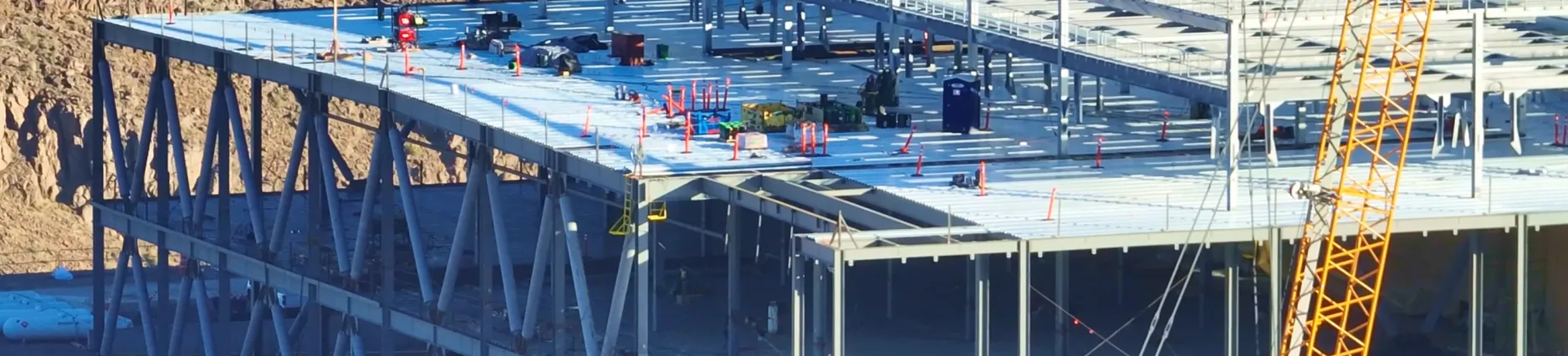
There is a big difference between having drones and cameras on site and having an actual program – and that difference is pretty clear. For many data center owners, it looks something like this: A team buys a couple of drones, hands a 360 camera to whoever happens to be free and starts collecting footage, and within six months that footage has become a shared drive full of flights nobody opens and walks nobody trusts, because no two captures were ever taken the same way.
Capturing footage is easy, making that footage work for your project is another effort entirely. What turns it into something your team and the owners can all rely on is the structure around it, and that structure rests on five elements worth getting right from the start.
In this blog we’ll break down the key elements to turn inconsistent capture into a real program. After reading, check out our on-demand webinar featuring field-tested insights from former head of Global Controls, Matt Craske.
1. Capture standards
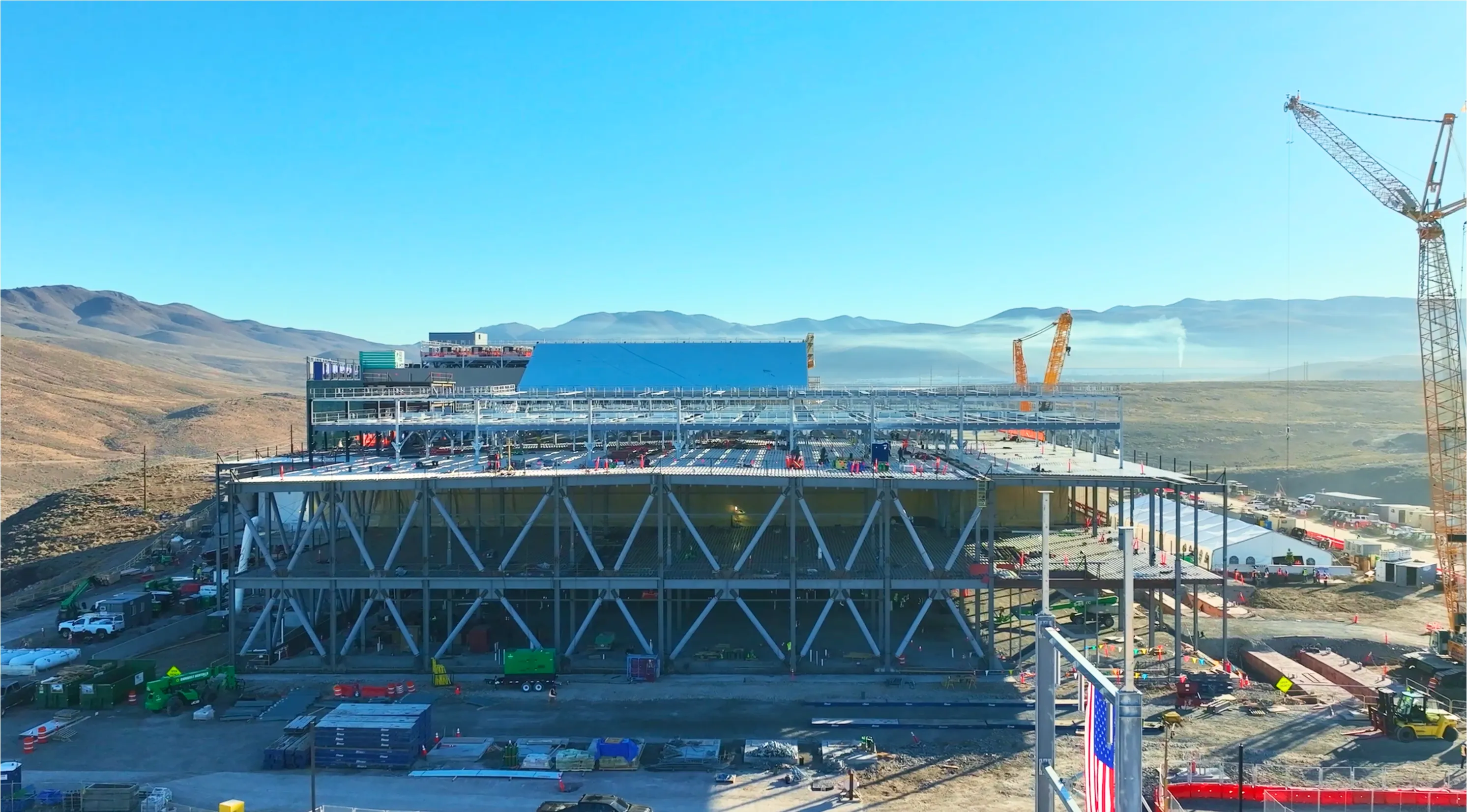
A program begins with a clear standard for what gets captured, how it gets captured and how often. The owner sets that standard as a requirement written into the scope, so that the full site is captured every week. The owner defines the outcome and leaves the crew to choose the workflow that gets them there.
You can expect some pushback that the work moves too fast to capture, but that’s a simple argument to counter. For example, a crew that already surveys a storm drain to prove its slope can walk with a 360 camera at the same time, with little real cost to the schedule. Once the bar is set, consistency tends to follow, and without it you’re left with one-off captures that add little context to the actual work being done.
2. Data ownership
Before the first flight, decide who holds the account and who grants access. The owner should own the platform and the record, then bring the GC in under access controls and release specific views at specific times.
Here’s what healthy data ownership looks like:
- Materials and installed work stay in the owner’s hands, ready for any conversation.
- Neutral evidence is always there to fall back on when a delay, quality or safety question surfaces and memories start to differ.
- The record becomes a permanent time capsule that stays with the organization long after a vendor moves on.
- A single documentation format holds across every project and region.
- Benchmarks carry from one program to the next, so each project sharpens the next bid and design.
See how McCarthy is using reality capture to track data center construction.
3. Visual data inside existing workflows
A record only pays off when it feeds the work your teams already do. When capture gets treated as a side project, the footage just sits in a folder while everyone else keeps working off email and memory. The fix is to plug capture into the workflows your teams already run every week.
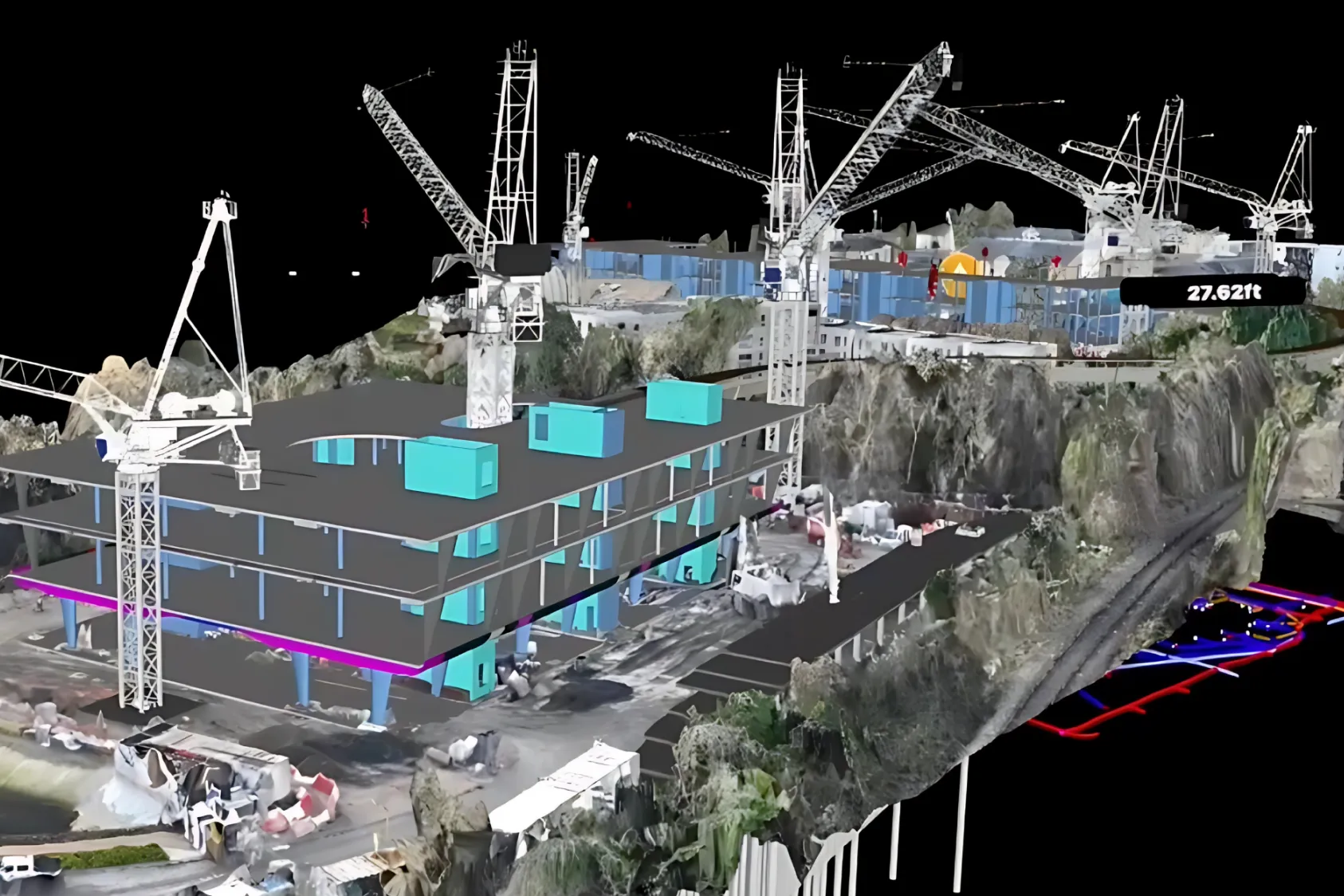
The best place to start is where the money and risk are. When you lay the latest flight over the design model, redlining happens on the real site instead of on a flat PDF. And when you tie pay apps, RFIs and rework to a current capture, the record becomes part of getting the next thing approved.
On the biggest jobs, the payoff adds up quickly. A single shared map keeps thousands of trades building from the same picture instead of a stack of conflicting updates. People use a record when it lives inside the job they already run, so the goal is to put it exactly where the work happens.
4. Consistency across GCs
The value of a program compounds only when the format holds across every partner and region. A site captured one way in one region and a different way somewhere else leaves you with two datasets you cannot line up against each other, which defeats the point of capturing at all.
When you set one spec and one set of deliverables for every GC, a single capture becomes part of a consistent record. That consistency is what lets leaders compare sites, carry lessons forward and standardize what actually works across the portfolio.
%20(1).png)
5. Lifecycle continuity
The last element is the one owners feel years later, when the record that protected the build goes on to protect the operation. Construction data becomes the operations baseline, which hands the facilities team a time-stamped visual history that runs all the way from groundbreak to CO. When something fails in year five, the question of what sits behind a wall or under a slab already has an answer waiting.
This works best as a layered handover, where system definitions and spatial data live in the BIM model while the geospatial and visual history live in reality capture. Each team gets what it needs for its own questions, and the work that happens around live systems gets safer to plan. Overlaying below-ground utility models on current imagery, for instance, shows crews exactly where the lines run before anyone breaks ground.
Watch how Matt Craske found success with DroneDeploy on data center projects
Where to start
A program is the structure around the footage. A single flight shows a moment in time, while a program builds a record the whole organization can trust for decades, and it tends to pay for itself the first time it settles a dispute.
None of this requires all five elements to be live on day one. The owners who succeed tend to start with a single site, name one person to own the record and set the standard there before building out from that foundation. If you want to see what a mature program looks like on a live data center, watch the on-demand session or scope a pilot with our team.
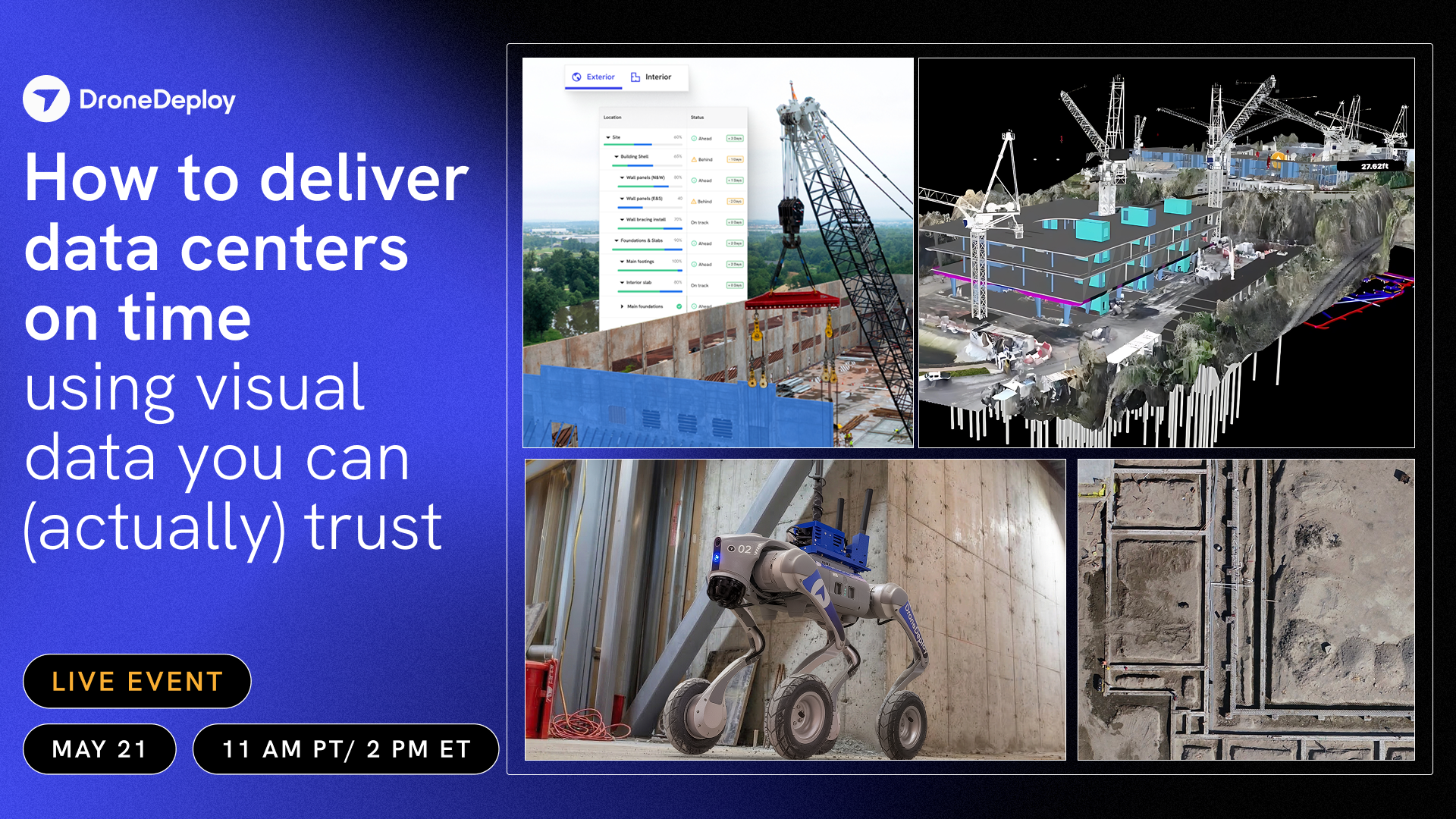
To see these five elements in action, watch the on-demand session: how to deliver data centers on time using visual data you can actually trust. This webinar brings site-tested knowledge from a former global program controls leader Matt Craske, and walks through how data center teams turn reality capture into a verification layer on the project controls they already run.
.png)
FAQ
Ready to manage your data from the very start?
Book a quick call to see how DroneDeploy streamlines capture from construction through building ROI.