Don't let reality capture die at handover: The business case for turning construction documentation into operational memory
.svg)
Quick Summary
Most construction projects already pay to capture a version of the building that operations teams may never see again.
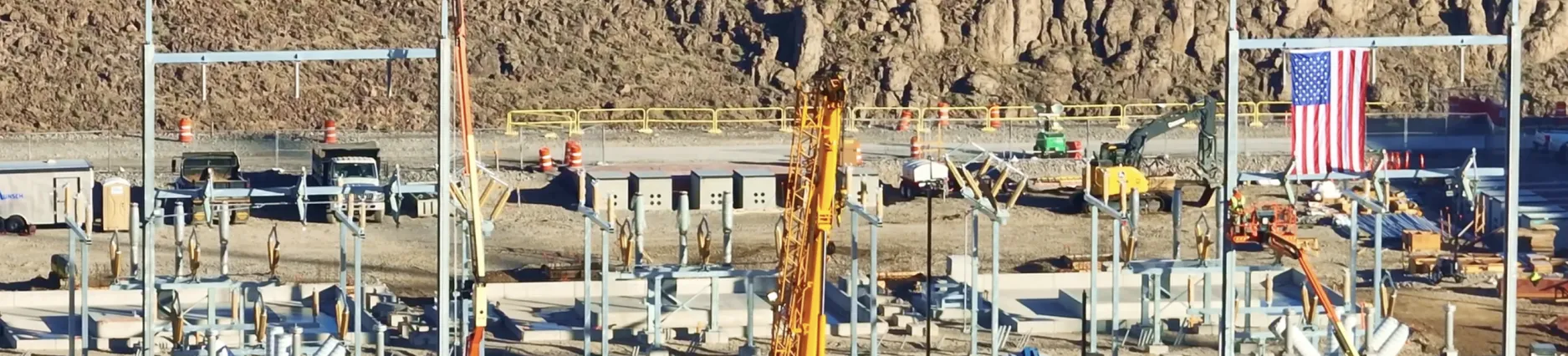
The site is open. Underground utilities are exposed. Slabs are not yet poured. Walls are not yet closed. Ceiling systems are visible. Electrical rooms, mechanical rooms, corridors, roofs, shafts and service spaces are changing every day. Drone imagery, 360-degree photos, LiDAR scans, inspection photos, BIM updates, commissioning reports, test results and closeout packages are being created throughout the project.
Then the project ends.
The trailer comes down. The project team moves on. The owner receives a turnover package. Some information goes into a project management platform. Some goes into SharePoint or stays with the contractor. Some remains in BIM. Other files are buried in folders or hard drives and may never be opened again.
From an operations perspective, that is where value is lost.
The owner paid for more than a building. They paid for years of construction evidence that could help the facility operate more safely and efficiently. Too often that evidence becomes a construction archive instead of a working operational resource.
The business problem: operations inherits the building without the project record
Construction teams use reality capture to answer construction questions.
Is the work complete? Did the subcontractor install it correctly? Does the installed condition match the design? Is there a delay, conflict, safety issue or quality concern?
Those questions matter during construction. At turnover, however, the questions change.
Where is the isolation valve? What is above this ceiling? Which panel feeds this equipment? What is behind this wall? Where are the underground utilities before we dig? Why is this area leaking? Is there enough clearance to replace this asset? What did this roof penetration look like before the leak appeared? What was actually installed before the slab was poured?
The operations team is responsible for answering those questions long after construction is complete.
They are the people responding to leaks, breaker trips, cooling issues, nuisance alarms, valve failures, roof failures, access control problems, drain backups, failed sensors, warranty claims, tenant requests and future renovation work. Yet they often have the least practical access to the best visual record of how the facility was actually built.
The problem is not that projects fail to capture enough information. The problem is that the information is not structured for the people who need it later. It was captured as project evidence, but not prepared as operational memory. And it was certainly not structured for AI readiness.
Ontology introduction: evidence needs context
To make reality capture useful after construction, each capture needs basic context. What space does it show? What asset or system is visible? Who captured it? Why was it captured? What device was used? What was the accuracy, and was survey control applied? When was it captured? What service or contract required it for what purpose?
Those simple relationships are the beginning of a top-level ontology. In plain language, an ontology is a shared structure that helps people and systems understand how information is related. At the highest level, the model only needs a few building blocks: assets, spaces, systems, parties, services, contracts, intent and events.
This does not mean the owner needs to boil the ocean on day one. As with BIM levels of detail, the ontology can mature as data becomes available. The important shift is to stop treating visual evidence as a loose file and start treating it as evidence connected to space, time, responsibility, purpose and use.
Understanding space/s vs location/s
I feel it's very important we get terms and definitions aligned to avoid confusion here, or misunderstandings. So for the purpose of this article and past written works, let's define what I mean by “Space” and “Location”.
Space is an independent ontological entity: a bounded or unbounded 3D extent within which physical or virtual objects, agents, and events exist, act, or relate.
It possesses identity, geometry, boundaries, and topological structure, and it supports containment, adjacency, and classification. This definition is consistent across the major ontologies – IFC (IfcSpace as a bounded region intended for occupancy), BOT (a bounded 3D extent such as a room, area, or zone), RealEstateCore (a contiguous part of the physical world that can contain sub-spaces), and ISO 12006-3 (a 3D extent used to structure building information).
In short, a space is the contextual substrate within which locations, activities, and spatial relationships are defined.
A location, by contrast, is a position within a space – a coordinate, reference, or site – not a type of space itself. The distinction is fundamental: space is the entity that provides the framework, while location identifies a specific point or place inside that framework.
The operational needs buildings have in common
Data centers make the value obvious because the systems are dense, expensive and mission-critical. Power, cooling, communications, security, fire protection, controls and physical access all have to work together. A small failure can have a large operational impact.
But data centers are not the only use case. Most buildings share a common set of systems: data communications, electrical service, heating and cooling, plumbing, fire and life safety, security, controls, roofing and building-envelope assemblies. They also contain physical assets that must be inspected, maintained, repaired, replaced or upgraded over time.
The difference from one facility to another is usually the degree of criticality.
In a data center, the priorities may be uptime, redundancy, thermal performance, physical security, cybersecurity and rapid response. In an industrial plant, the focus may be production continuity, worker safety, hazardous energy control and process reliability. In a manufacturing facility, the priority may be equipment uptime, utility distribution, compressed air, exhaust systems, electrical load and floor layout. In a hospital, the priorities may include patient safety, infection control, emergency power, medical gases, life safety and people flow. On a higher education campus, the challenge may be maintaining classrooms, labs, residence halls, event spaces, accessibility, utilities and public safety across many buildings.
The buildings are different, but the operational challenge is similar: people need to understand the physical environment before they make decisions.
That understanding usually comes from a site visit.
The hidden cost of the repeat site visit
A facility manager walks the building. A contractor drives across town. An engineer flies into the city. A vendor visits the electrical room. A controls technician opens ceiling tiles. A project manager asks for more photos. A maintenance planner walks to the roof. A security consultant tours entrances, doors, cameras and communication rooms. An owner’s representative visits the same room again because the first set of photos did not show the right detail.
This happens over and over during the life of a building.
The real cost is more than travel. It is the repeated effort of getting people to the same physical place so they can see the same condition, explain the same issue and agree on the same baseline.
People communicate more effectively when they can see the same condition. A site visit works because everyone is looking at the same room, pipe, panel, roof drain, valve, obstruction, equipment clearance or access problem. Reality capture makes that shared reference point available without always requiring another site visit.
That is the long-term value of visualization: fewer unnecessary trips, better communication, faster decisions, safer work planning and a more durable operational memory layer.
The solution: create an operational memory layer
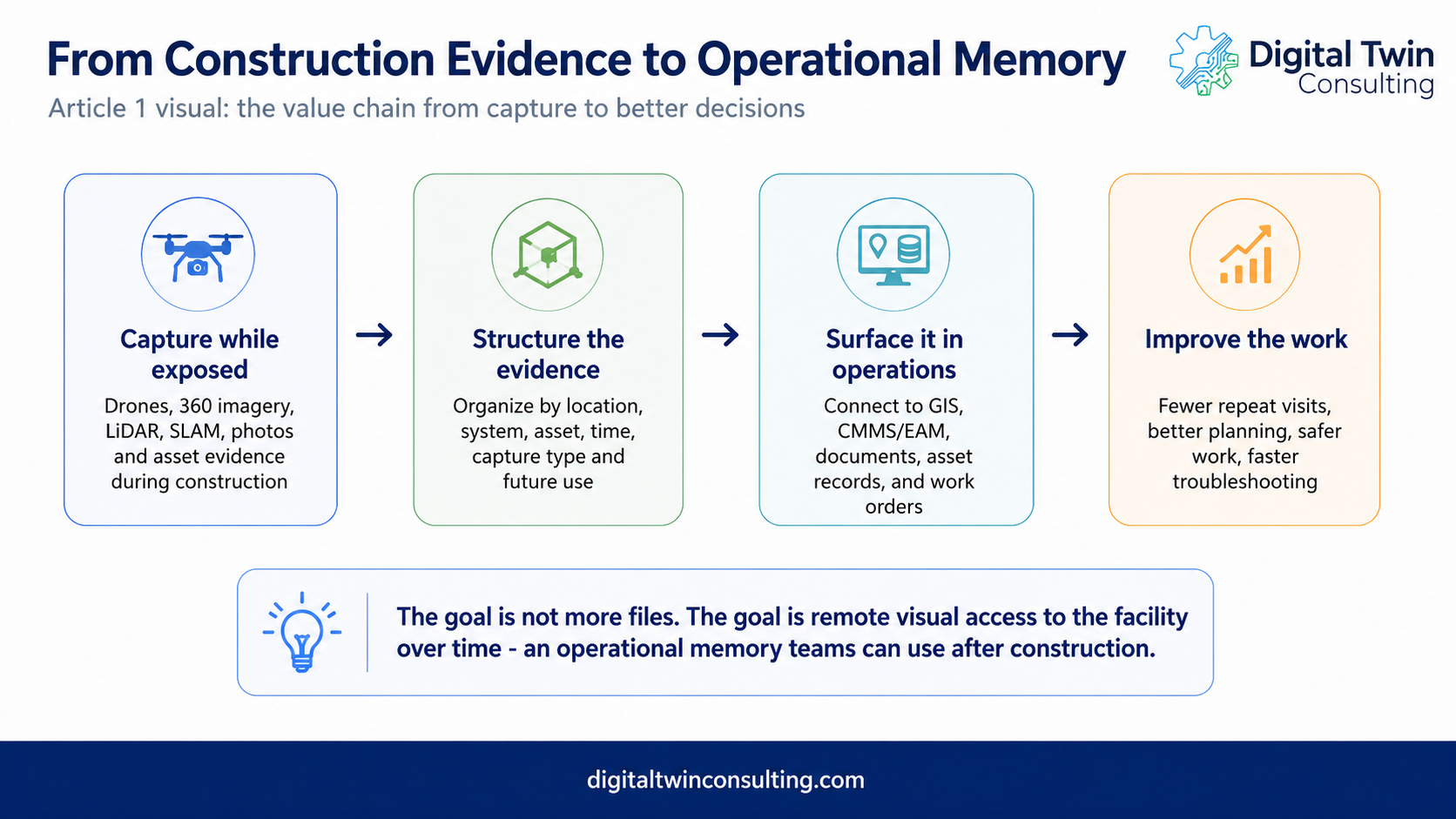
The goal is not to collect more photos for the sake of documentation. It is to give teams remote visual access to the facility as it changes over time, creating an operational memory that supports better planning, troubleshooting and decision making long after construction is complete.
That requires three shifts.
First, reality capture must be planned with operations in mind, the party stakeholders and their use case intent.
Second, the data must be structured around assets, spaces, systems, parties, intent, services, events and contracts. This allows the data to hold structure beyond the project or contract number, for operations to understand the relationships at an enterprise level.
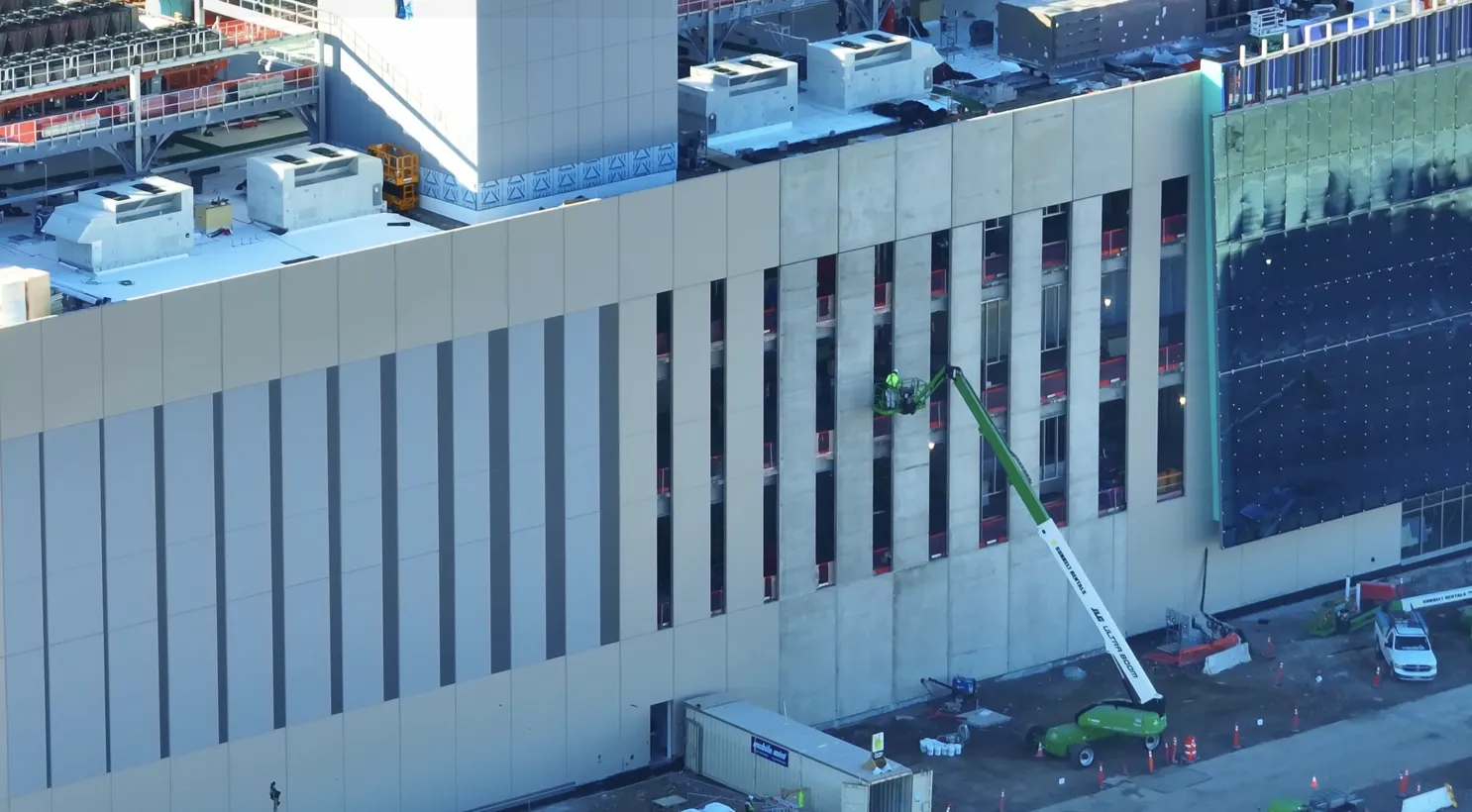
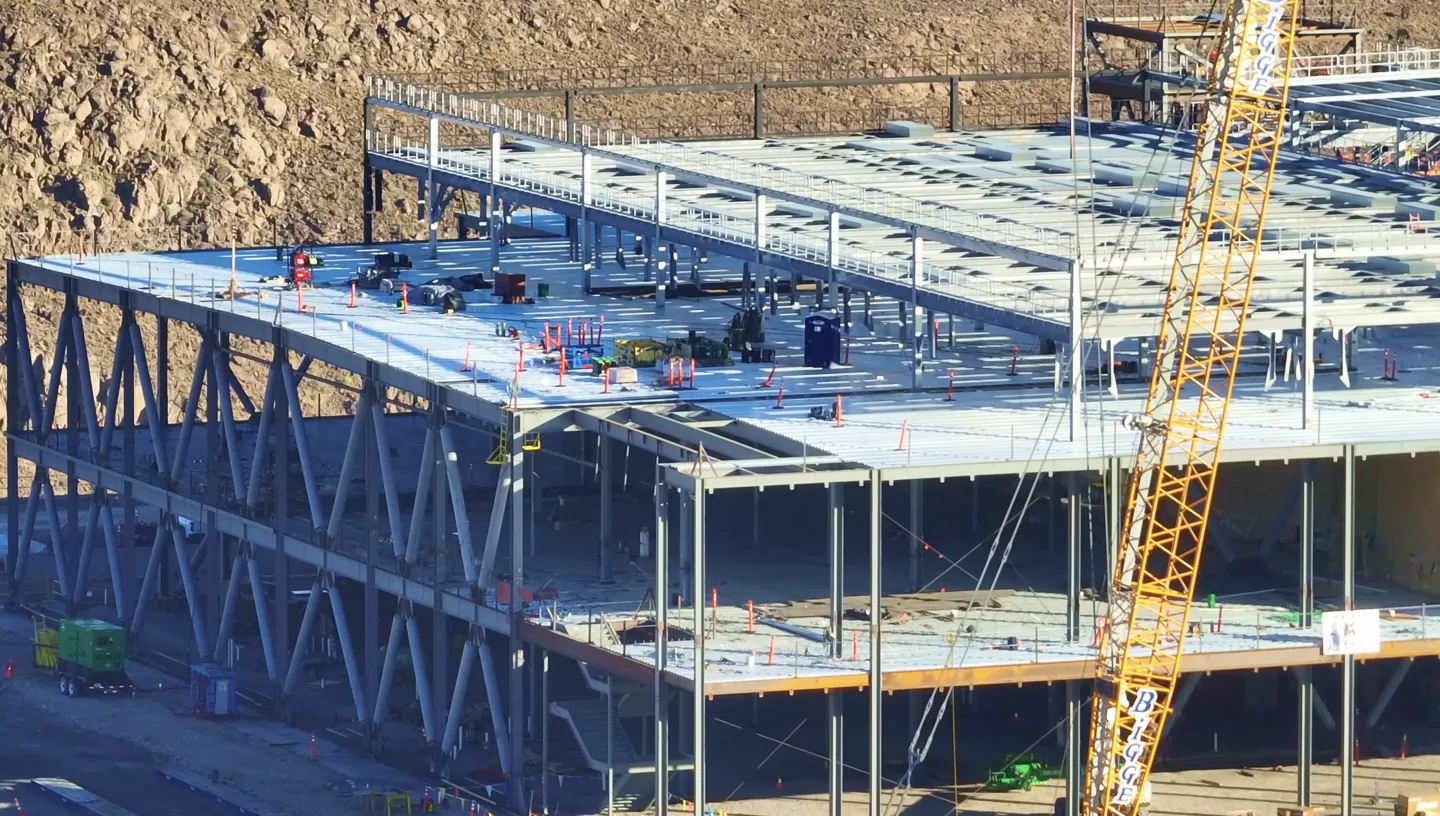
Third, capture needs to happen before important information disappears. Underground utilities should be documented before backfill. Slab systems should be documented before pour. Wall and ceiling systems should be captured before close. Roof and envelope work should be captured before concealed conditions become the subject of warranty disputes and guesswork.
This does not mean capturing everything at maximum fidelity, which quickly becomes expensive, confusing and difficult to manage. The better approach is to capture what drives value, with purpose and intent.
See how others in the field are doing it:
How reality capture becomes operational evidence
Captured media should not remain a standalone file collection.
Each capture should be treated as visual evidence and anchored to a persistent space, asset, system and point in time. Most imagery, video and LiDAR already carry some metadata, but that is not enough by itself. For operations, the capture also needs business context.
That context includes simple questions:
- What space does this capture show?
- What assets or systems are visible?
- Who captured it, commissioned it, was involved or will use it?
- Why was it captured, and how will it be used?
- When was it captured?
- What service or contract requires it, with what requirements?
- What level of accuracy or visual resolution was expected?
- How was it reviewed and accepted before turnover?
This is where the eight top-level ontology items become useful: asset, space, party, system, service, contract, intent and event.
For example, a 360-degree image of an electrical room (space) is more valuable when it is connected to the panels (asset), the electrical system, the party that captured the image, the service being performed, the contract requirements, the intent of the capture, and the event date. At that point, the image is no longer just a photo. It becomes operational evidence.
The same logic applies to LiDAR scans, drone imagery, SLAM captures, panel photos, roof inspections and closeout records. The capture can be related to asset entities so it can be found, compared and acted on over time. If BIM exists, model comparison, using a tool like DroneDeploy Ground’s BIM Compare, can support this system connection and space. If BIM does not exist, object recognition, segmentation tools, asset tagging, floor plans, single-line drawings, P&IDs or CMMS/EAM hierarchies can help create the asset and system relationships.
The benefit is not only better documentation, it is AI readiness and system of system relationships.
When visual evidence is connected to spaces, assets, systems, parties, services, contracts, intent and events, AI has a stronger operational guardrail. It can retrieve the right evidence, understand the context and reduce the risk of treating disconnected construction files as unrelated facts.
This is how reality capture starts moving from project folders and handover archives into an enterprise wide operational memory layer.
What this looks like in practice
- For future dig safety: Where are the utility assets, duct banks, vaults, sleeves and abandoned infrastructure?
- For maintenance planning: What does the asset look like, what surrounds it, how do we access the space and what system is it connected to?
- For electrical operations: Which panel, breaker, circuit, generator, UPS or switchgear supports the system?
- For HVAC troubleshooting: What is above the ceiling, behind the wall, below the floor or hard to access later?
- For leak investigation: What did the roof, wall, pipe joint, penetration, flashing, or drain look like when it was installed?
- For future renovation: What is actually in the building before we design, price or mobilize work?
Once these questions are understood, the owner can decide what type of capture is needed: drone imagery, 360-degree imagery, 360-degree video, LiDAR, SLAM scanning, asset photos, floor plan overlays or a combination.
The technology should follow the business problem.
What to do next
Pick one active or recently completed project. Identify the top five questions operations will ask later, then check whether today’s reality capture can answer them by space, asset, system, event time and source evidence.
Key takeaways
- Reality capture loses value when it dies at handover.
- Operations teams need practical visual access to the building, more than a construction archive.
- The operational memory layer should preserve visual evidence, context and relationships over time.
- The top-level ontology gives the data a simple starting structure: asset, space, system, party, intent, service, event and contract.
- Start with business problems and future operational questions before choosing capture technology.
- The site visit is still important, but many repeat visits can be reduced when teams share a trusted visual baseline to contextualized data.
- The goal is an operational memory layer: remote visual access to the facility over time, structured around the decisions people need to make.
Part of the five-part series Reality Capture as Operational Memory. Read the other articles:
- Part Two: Plan reality capture backward from operations
- Part Three: Capture it before it disappears (Coming soon)
- Part Four: From visual evidence to better work management (Coming soon)
- Part Five: From a reality capture data fabric to an operational digital twin (Coming soon)
About the author

Kelly Watt is a digital transformation leader specializing in digital twin technology for aviation, data centers, smart cities, oil and gas and critical infrastructure.
Kelly is the Co-Founder of Digital Twin Consulting. The firm delivers strategic master planning and the proprietary DTAP assessment process to digital transformation projects worldwide.
A frequent collaborator with Georgia Institute of Technology, University of Texas at Dallas and Mohawk College, Kelly focuses on practical digital transformation: strategy before technology, value before complexity and adoption before dashboards.
.png)
FAQ
Reality capture records existing site conditions as accurate visual data, using photos, 360-degree walkthroughs, drone maps, and LiDAR or SLAM scans, so teams can see and measure what was built without being on site.
Too often it becomes a construction archive. Files scatter across drawings, folders, and drives, and the operations team, who need it most, rarely have practical access. Structuring capture as operational memory keeps it usable for the life of the building.
Related articles
Ready to learn more?
Contact sales to see how DroneDeploy can give your teams the power to document and analyze your sites from the air and ground – all in one AI-powered platform.